

Study Suggests Up to 98% of Deceased NFL Players May Have Had CTE
A newly published study estimates that anywhere from a quarter to nearly all former NFL players who died between 2016 and 2021 may have suffered from a degenerative brain condition

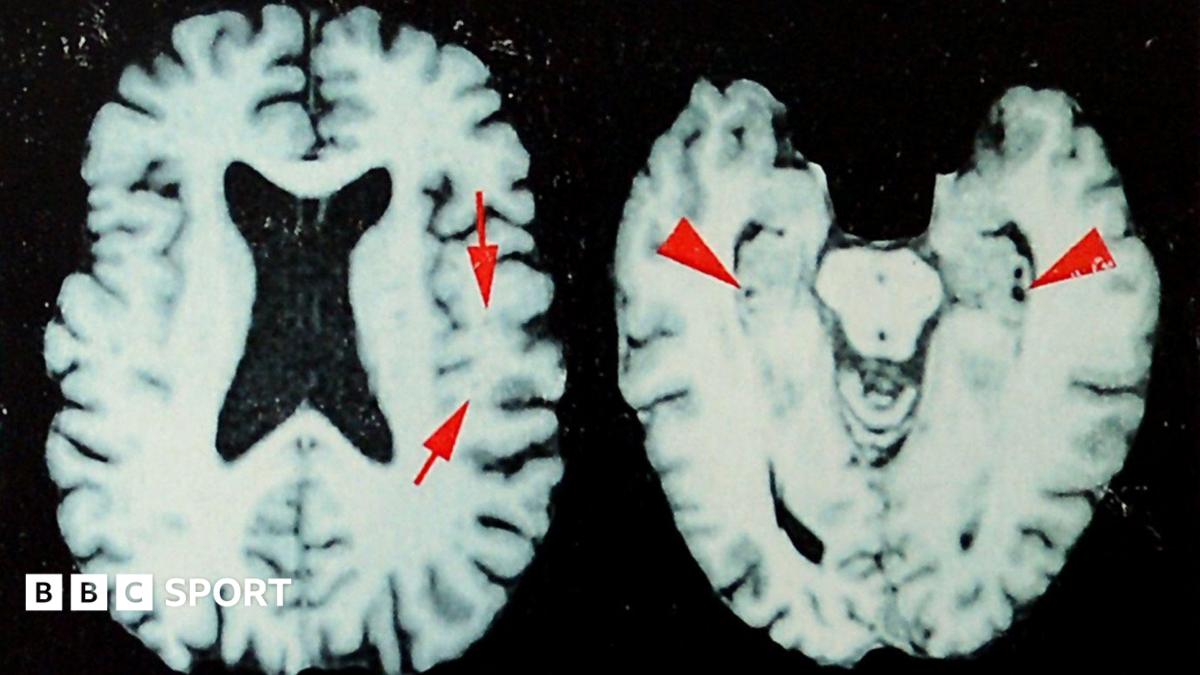
A newly published study estimates that anywhere from a quarter to nearly all former NFL players who died between 2016 and 2021 may have suffered from a degenerative brain condition linked to repeated head trauma.
Researchers examined the cases of 878 ex-players who passed away during that six-year window. Of those, 235 families donated the deceased's brains for scientific analysis, and 215 of those specimens tested positive for chronic traumatic encephalopathy, or CTE — a progressive disease that currently can only be confirmed through post-mortem examination. The research appears in the British Medical Journal, and dementia was frequently observed among the donors examined.
Because only a fraction of the total group underwent brain analysis, the authors calculated what they describe as a conservative floor for CTE prevalence among all deceased players at 24.5%, with an upper-bound figure of 97.7%. Lead author Daniel Daneshvar, an associate professor at Harvard Medical School, noted that prior research has already shown NFL players die from neurodegenerative illnesses at roughly four times the rate of the general population. According to the team, the new numbers point to a CTE burden at death that exceeds what earlier community-based studies have reported.
Daneshvar also emphasized that most of the damage likely accumulated long before players reached the professional ranks. The vast majority of head impacts, he explained, happened during college, high school, and even youth football — and it is that cumulative exposure that drives risk upward. He and his colleagues are calling on the league to adopt preventive measures aimed at limiting repetitive head impacts at every tier of the sport.
In response, the NFL said it works continually to make football safer, pointing to strategies designed to cut down on concussions and head impacts. A league spokesperson added that the organization remains committed to giving current and former players access to a broadening range of physical and mental health resources, and encouraged retired athletes to take advantage of them when health concerns arise.
Concern over CTE in American football has intensified in recent years. The sport's governing structures have begun responding: the collective bargaining agreement signed in 2011 placed limits on full-contact practices during the season. Two years later, mounting litigation over brain injuries pushed the issue further into the mainstream.
In 2016, after a protracted class-action battle, the league agreed to pay $1bn (£700m) to settle claims brought by more than 5,000 former players. The latest findings are likely to renew pressure on the NFL to address head-injury risks not just professionally but throughout the game's grassroots levels.
What's Your Reaction?
 Like
0
Like
0
 Dislike
0
Dislike
0
 Love
0
Love
0
 Funny
0
Funny
0
 Wow
0
Wow
0
 Sad
0
Sad
0
 Angry
0
Angry
0






Comments (0)