

Beijing vows retaliation after Washington unveils sweeping new Iran sanctions targeting its trade partners
China has promised to defend its economic interests in response to a fresh package of American sanctions aimed at Iran and the countries that do business with it — a list that prom

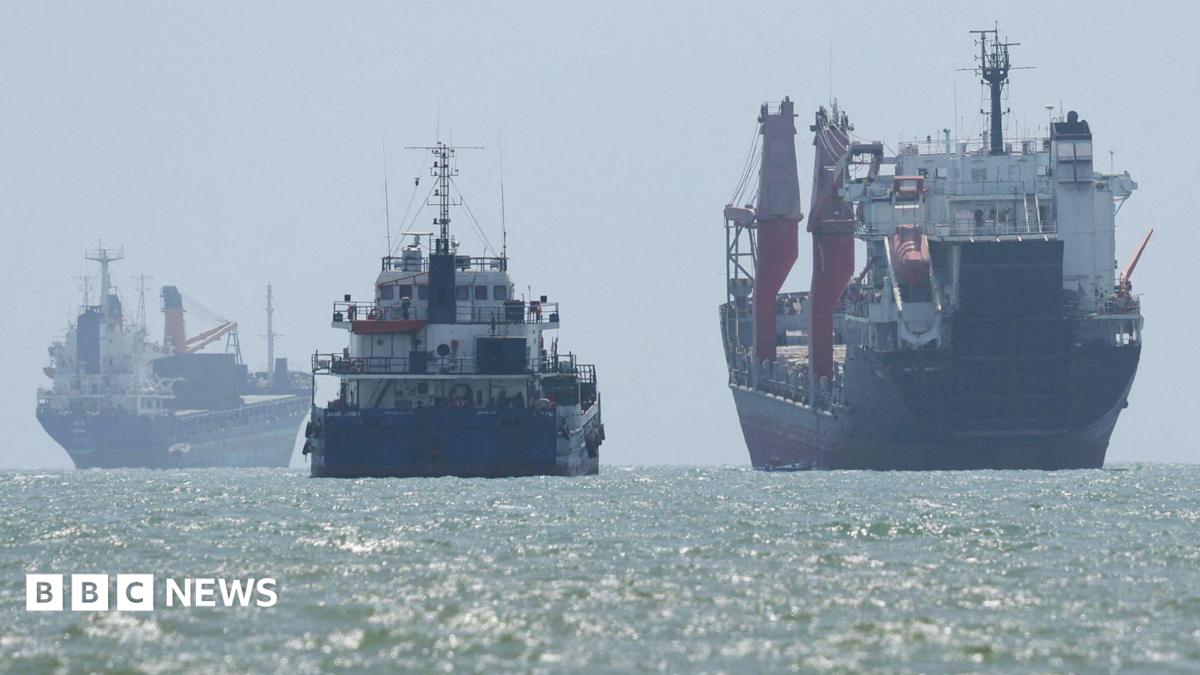
China has promised to defend its economic interests in response to a fresh package of American sanctions aimed at Iran and the countries that do business with it — a list that prominently features Beijing. Speaking at a regular press briefing, Chinese foreign ministry spokesman Lin Jian said his government "firmly opposes" what he characterised as unlawful one-sided penalties and warned that Beijing would deploy every measure necessary to protect its rights.
The measures were unveiled by US Treasury Secretary Scott Bessent on Monday. He billed the effort as the most consequential financial campaign ever mounted against Tehran, cautioning that any country maintaining financial links with Iran would find itself cut off, and that banks and firms refusing to sever those ties would share in its isolation.
Although Bessent avoided naming individual governments, he said President Donald Trump would personally call world leaders to press specific demands that they end their dealings with Iran's leadership. Asked directly about Chinese banks, however, he stressed that no institution stood beyond the reach of American sanctions.
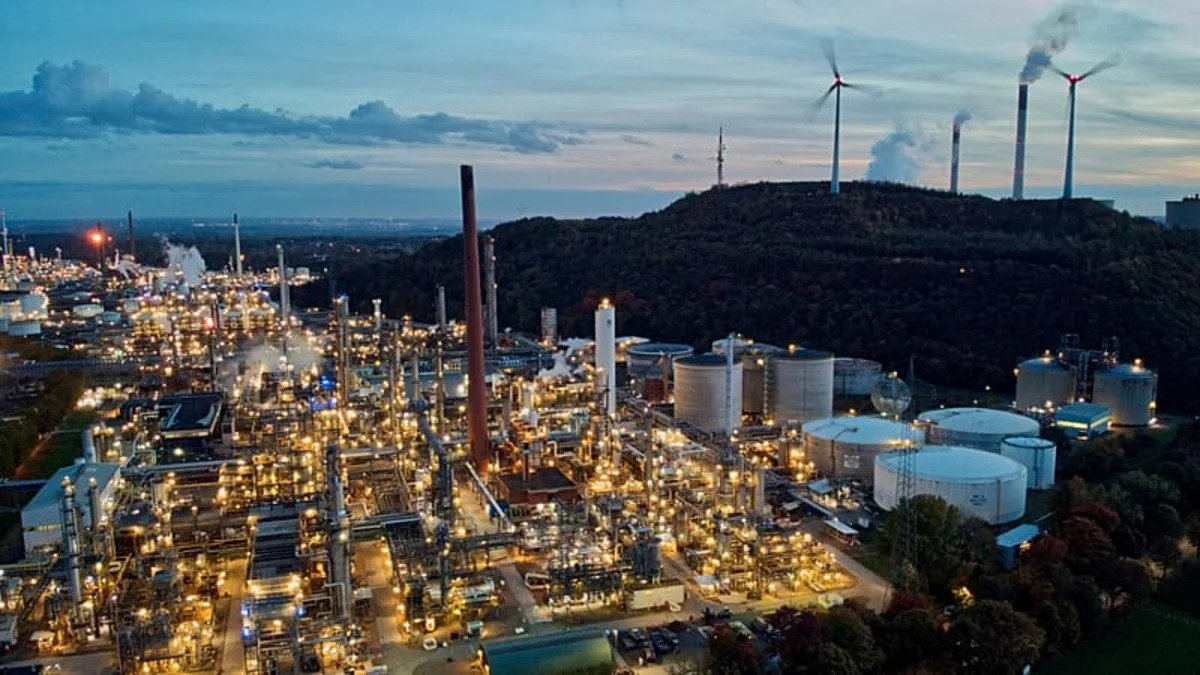
Beijing's angry reaction carries particular weight given its position as the leading purchaser of Iranian crude — roughly nine in ten barrels exported by Tehran flow to China — even though those volumes have fallen since Washington imposed a blockade on Iranian ports. The confrontation also looms over planned talks between Trump and President Xi Jinping scheduled for next month, and Washington will be conscious that China dominates global processing of rare earths and other critical minerals, having already restricted exports of them during earlier trade disputes.
Iran, for its part, projected confidence. Economy Minister Ali Madanizadeh told state television that Tehran had long anticipated the move and was operating under a two-year contingency plan, predicting the sanctions would hand Washington "another defeat". The US has branded its initiative "Operation Economic Outcast", calling it an economic D-Day, and says it has targeted nearly 60 entities, individuals and vessels after mapping the networks Iran uses to sell its oil.
The escalation lands against the backdrop of a war now in its sixth month, which has driven up global oil prices after Iran effectively sealed the Strait of Hormuz and the US slowed shipping with its own naval blockade. A 60-day ceasefire lapsed last week without a settlement, and recent diplomatic efforts have come to nothing. In London, John Healey said Britain backed American efforts to raise pressure while pursuing a diplomatic resolution.
Analysts remain unconvinced the new measures will bite. David Oxley, chief climate and commodities economist at Capital Economics, described their immediate effect on Iranian energy income as likely to be a damp squib, noting that China has ignored US sanctions before and shows little sign of yielding now. Ali Vaez of the International Crisis Group echoed that view, saying Beijing has always regarded unilateral American penalties as illegitimate, while Iran's neighbours such as Pakistan, Turkey and Iraq cannot afford to break off relations with Tehran regardless of their ties to Washington. India and Russia, two other partners exposed to the measures, have so far stayed silent.
What's Your Reaction?
 Like
0
Like
0
 Dislike
0
Dislike
0
 Love
0
Love
0
 Funny
0
Funny
0
 Wow
0
Wow
0
 Sad
0
Sad
0
 Angry
0
Angry
0

Comments (0)