

Europe's Gas Bills Face a Winter Reckoning as Wholesale Prices Double
European household energy bills may climb this winter unless wholesale natural gas costs retreat from the elevated levels seen this week, energy analysts warn. The Dutch TTF front-


European household energy bills may climb this winter unless wholesale natural gas costs retreat from the elevated levels seen this week, energy analysts warn.
The Dutch TTF front-month contract, Europe's reference price for wholesale gas, changed hands above €66 per megawatt-hour on Tuesday after touching €68 earlier in the day. That is more than double the roughly €29/MWh recorded at the start of 2026.
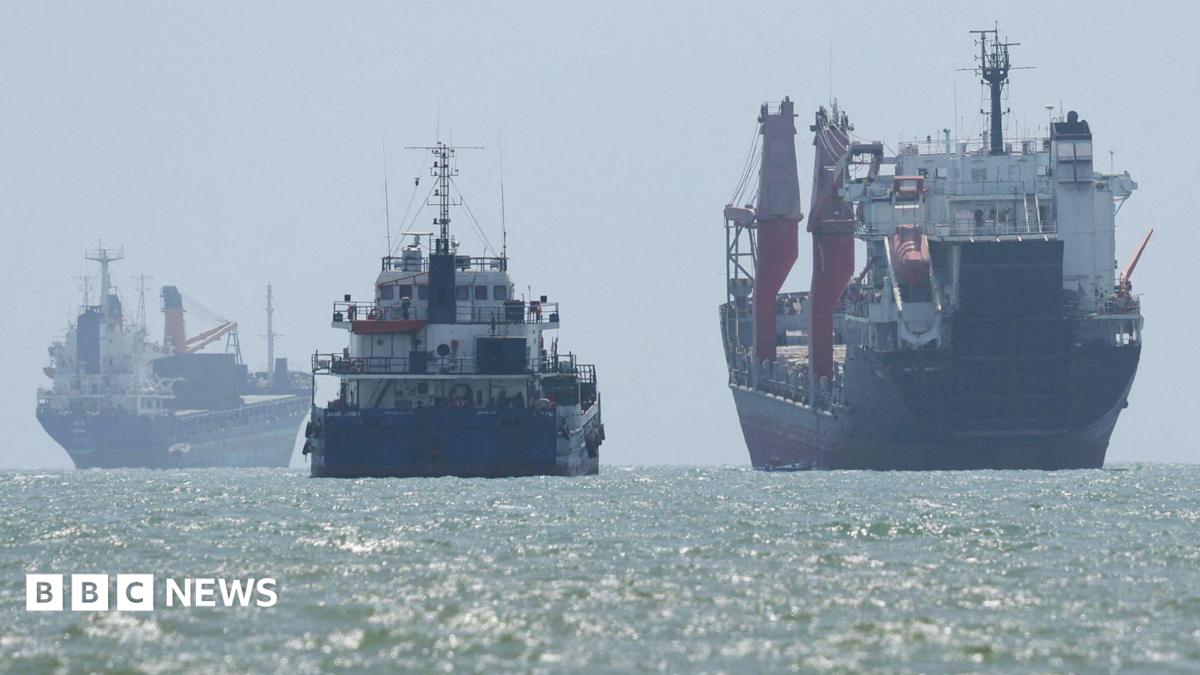
The surge reflects mounting market anxiety that the Strait of Hormuz will stay shut through the heating season, cutting off a corridor that normally handles close to one-fifth of the world's liquefied natural gas trade. The timing is awkward: European storage sites stood at just 62.99% capacity as of 24 August, according to Gas Infrastructure Europe figures — far beneath the five-year average of 79%. Natasha Fielding, who covers gas markets at Argus Media, noted that stocks have only approached such lows once in the past fifteen years, in 2021 on the eve of the previous energy crisis. Among major economies, Germany's facilities were barely half full and the Netherlands' sat at 44.3%.
Oxford Economics argues in a mid-August report that the bloc can cope with thinner inventories, since EU gas demand remains 15%-20% below 2021 levels. The catch is that doing so would require heavier winter reliance on LNG shipments, exposing Europe to bidding contests with Asian buyers — competition already sharpened by the Hormuz disruption.
Some forecasters see room for prices to climb much further. Goldman Sachs analysts Samantha Dart and Laura Cyr wrote that prevailing prices won't suffice to refill storage over the winter, and that if Middle Eastern energy exports recover only slowly through 2027, December 2026 TTF futures could need to exceed €100/MWh — more than double their €50 baseline. Oxford Economics adds a political wrinkle: Brussels might have to soften its prohibition on Russian gas, which took effect for new imports in March 2026 and is set to become total by end-2027, should shortages bite. Russia still accounted for about 12.5% of combined pipeline and LNG inflows in 2025.
For consumers, the pain won't arrive overnight. Wholesale moves filter into retail bills only as supplier hedges expire and contracts are renewed, with variable-tariff households typically hit first, according to Fielding. She also noted that countries with more liberalised retail energy markets tend to see faster pass-through than those where fixed-price contracts dominate.
The speed of transmission varies sharply across the continent. Oxford Economics estimates full pass-through takes about six months on average, but nearly a year in Germany and Austria, where long fixed-rate deals prevail. Consumers in France, Italy and Spain could see effects within months, while Dutch households face almost immediate adjustments. Italy ranks as the most vulnerable big economy given its rapid pass-through and heavy gas dependence — though it currently enjoys among the continent's fullest storage.
Weather will ultimately decide how bad things get, the consultancy cautions, since gas underpins most European space heating. It projects eurozone consumer energy prices could run as much as 15% higher year-on-year by the fourth quarter if current pressures persist.
What's Your Reaction?
 Like
0
Like
0
 Dislike
0
Dislike
0
 Love
0
Love
0
 Funny
0
Funny
0
 Wow
0
Wow
0
 Sad
0
Sad
0
 Angry
0
Angry
0





Comments (0)