

Ottawa strikes back: Canada imposes retaliatory tariffs of up to 50% on American goods
Ottawa has unveiled a sweeping package of retaliatory tariffs targeting roughly C$28 billion (about US$20 billion) in annual American imports, with rates climbing as high as 50%. T

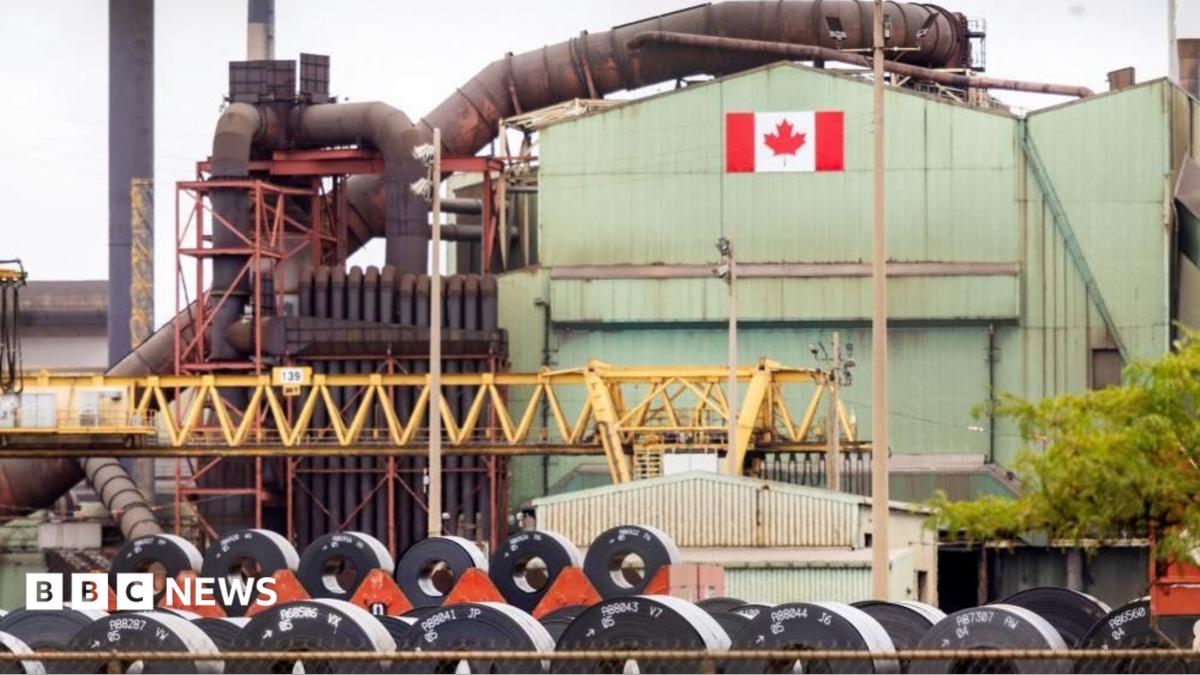
Ottawa has unveiled a sweeping package of retaliatory tariffs targeting roughly C$28 billion (about US$20 billion) in annual American imports, with rates climbing as high as 50%. The move is a direct answer to the steep duties the Trump administration placed on Canadian products over the weekend, deepening the most serious trade rupture between the two neighbours in decades.
The measures, detailed in a list of close to 900 American products released on Tuesday, will take effect on 8 September. Steel and aluminum face a doubling of duties from 25% to 50%, matching Washington's earlier hikes. Other items hit at the top rate include furniture, apparel, natural honey, cosmetics and perfume, while household appliances, cheese, seafood and certain metal derivatives will carry a 25% levy. A 15% rate applies to selected machinery and tools, among them forklifts and air-conditioning units.
Finance Minister François-Philippe Champagne framed the response as measured rather than reckless, describing it as "proportionate" and "strategic". He acknowledged the confrontation carries real costs but insisted Canada had no choice after the US imposed 50% tariffs following the breakdown of negotiations. Alongside the tariffs, Ottawa pledged an extra C$7.5 billion in aid to help firms stay solvent and shield workers from layoffs.
The tit-for-tat follows the dramatic collapse of bilateral trade talks late last week, with both governments accusing the other of tabling unacceptable demands at the eleventh hour. Canadian officials said they deliberately targeted goods that can be sourced from alternative markets, aiming to limit the pain for domestic consumers and businesses.
The White House countered that it had offered Canada "the most preferential market access of any country on Earth" during the negotiations, blaming the impasse on what it called Canadian walk-backs and rejectionism. President Donald Trump, posting on Truth Social, charged that Canada had exploited the US for years and quipped that he no longer expected to do "much business" with Ontario — floating a plan to rename Lake Ontario as Lake America. He also threatened to lift tariffs on Canadian-built cars to 50% starting 1 January.
Prime Minister Mark Carney accused Trump of seeking to "destroy" cornerstone Canadian industries such as autos, steel and aluminum. Rhetoric peaked on Monday when Ontario Premier Doug Ford branded the US president a "loser", though by Tuesday Ford had softened his stance, telling CNN that tempers flared but stressing he still wants "a good deal" for both countries.
Beyond the immediate economic fallout, the standoff clouds the future of the USMCA, the North American free trade agreement binding Canada, the US and Mexico. Mexican President Claudia Sheinbaum has dispatched her economy secretary, Marcelo Ebrard, to Washington for emergency discussions. While surveys indicate most Canadians back their government's hard line, opposition Conservatives are demanding publication of the draft deal text, and business groups warn that a protracted trade war with Canada's largest trading partner would inflict lasting damage on both sides of the border.
What's Your Reaction?
 Like
0
Like
0
 Dislike
0
Dislike
0
 Love
0
Love
0
 Funny
0
Funny
0
 Wow
0
Wow
0
 Sad
0
Sad
0
 Angry
0
Angry
0


Comments (0)